EDITORIAL / UPDATED 6 OCT 2026
Plan Hiroshima and Miyajima around the experience you want
THREE SHAPES, THREE PRIORITIES
Choose what the day is for.
History first.
Osaka → museum and park → Osaka. Miyajima stays optional if your actual connections and time in Hiroshima allow it.
City, then island.
Day 1 in Hiroshima; Miyajima on Day 2 before the return. Separate travel dates change the ticket choices.
Waterfront and a slower morning.
Plan around the tide, your stay and the ferry. Give accommodation and onward travel their own budget.
Before choosing a rail pass, choose what you want time for. A visit centered on Hiroshima's history asks for a different day from a waterfront walk on Miyajima, and either can feel rushed if it has to fit between tightly chosen train departures.
There is no single correct pace. The aim is to make the journey support the visit. Start with one priority, decide whether staying overnight serves it, and use the ticket comparison once the shape of the trip is clear.
Give Hiroshima a clear place in the plan
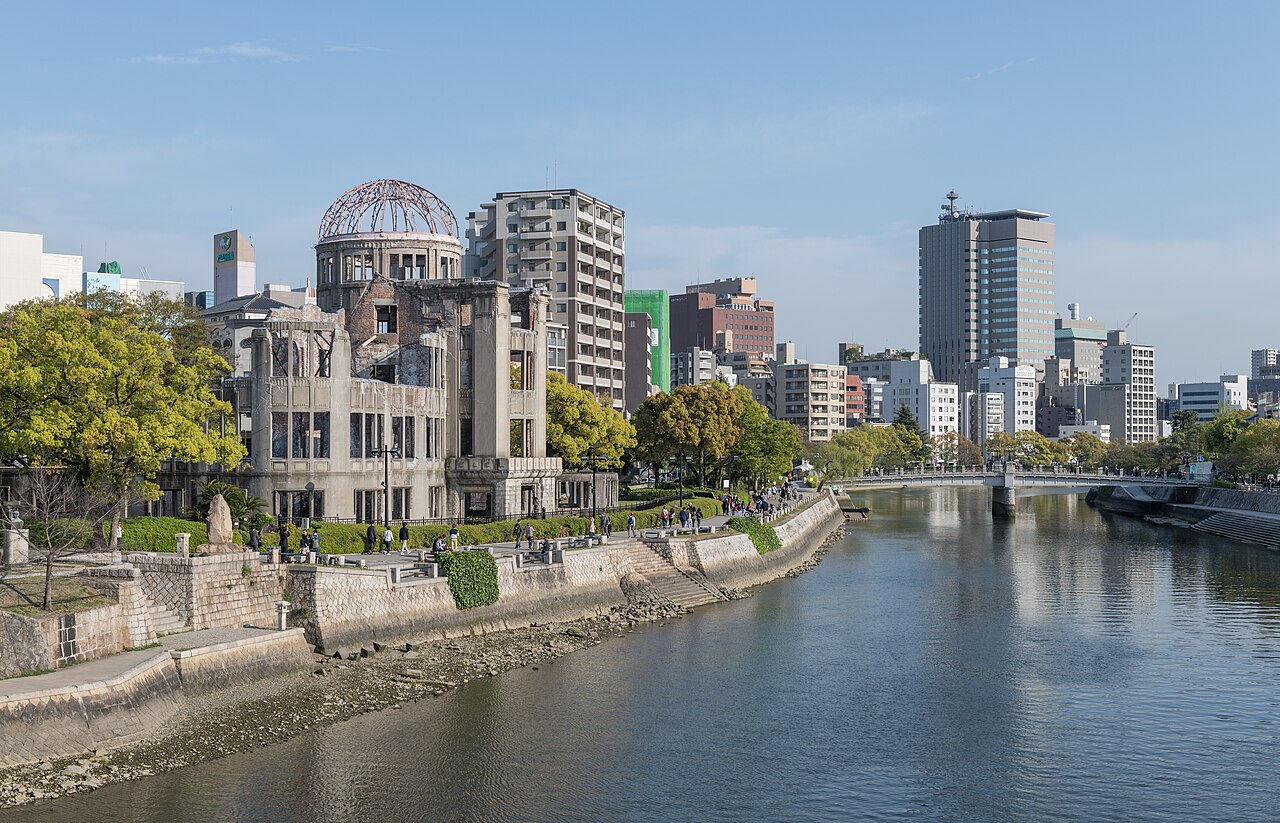
If the Hiroshima Peace Memorial Museum is central to your visit, let it anchor the day. Keep space around it for Peace Memorial Park, the Atomic Bomb Dome and a break. These are places to engage with at your own pace; you do not have to fill every remaining gap with another attraction.
Keep the period immediately afterward flexible. Some travelers will want to keep exploring, while others will prefer a quiet meal or time to reflect. Avoid making a nonrefundable connection depend on finishing the museum at a precise minute.
Before choosing arrival and return trains, check the Hiroshima Peace Memorial Museum's official visitor information for current admission arrangements, opening hours and any reservation requirements. Check the arrangements for your actual visit date, then choose train times around the visit you want. Leave some flexibility if you expect to spend longer in the museum or park.
Decide what Miyajima means for this trip
“Miyajima” can describe several different plans: seeing the waterfront and Itsukushima Shrine area, spending time in town, taking a longer walk, or allowing a larger part of the day for the mountain landscape. Choose the experience you care about before adding every possible stop.
If a particular view of the shrine or torii is important, check the Miyajima Tourist Association's tide information for your actual visit date. If your plan depends on entering a site or using a service, check its operating arrangements separately. A tide preference is not an admission booking, and a rail pass does not settle either question.
For a longer walk or a mountain outing, leave room for the weather, your own pace and a safe return. Check the route and current conditions rather than using an attractive photograph as a promise about how easy the day will be. If you would rather stay near the waterfront and have a relaxed lunch, that is a complete plan too.
The official Hiroshima tourism feature on Miyajima is useful for thinking about how evening and morning change a visit. It also gives you a reason to consider an overnight stay based on what you want to experience, rather than using accommodation only as a way to separate two train dates.
Choose one of three possible shapes
Hiroshima first, with Miyajima optional. For a same-day return from Osaka, choose Hiroshima as the main purpose. Add Miyajima only if the actual train choices, transfers and time you want in Hiroshima leave a comfortable margin. Decide in advance what you will drop if the day runs late. “We will see how we feel after the museum” is easier to act on when the island visit is genuinely optional.
An overnight stay in Hiroshima. One possible sequence is to travel from Osaka, spend the first day in Hiroshima, then visit Miyajima on the following day before returning. It separates two different kinds of experience and may reduce the pressure to keep moving. It also changes the ticket comparison because the outbound and return journeys occur on different dates. Choose actual departures after checking the relevant trains, ferry service and your accommodation arrangements.
An island-focused overnight stay. If quieter time by the waterfront matters more than fitting in multiple places, consider whether staying on Miyajima serves that aim. Plan the arrival with your accommodation's check-in and meal arrangements in mind, then protect the next morning from an unnecessarily early onward connection. Accommodation availability and cost need their own comparison. A small rail saving is not a reason to book an unwanted overnight stay.
You can reverse the order to suit your reservations, weather outlook and priorities. Check accommodation availability separately, especially if staying on the island is central to the visit.
Draw the whole journey
For a rail-and-JR-ferry visit, follow the journey from Osaka or Shin-Osaka to Hiroshima Station, then Miyajimaguchi, the JR ferry and Miyajima. Keep the intercity train, local train and ferry separately on your plan. Add the journey from your hotel or city attraction to Hiroshima Station when choosing departure times.
Hiroshima Station and the city-center sights are different starting points. If you choose a tram or direct boat, check its actual departure point, operator and fare. A direct boat may fit your day well, but it has its own ticket and pass conditions. Compare it with the local-train-and-JR-ferry route for the journey you want to take.
Check the JR Miyajima Ferry timetable in both directions and the operator’s current service notices. Then allow for walking to the pier, any wait, the ferry crossing and the connection at Miyajimaguchi before choosing your train back to Osaka. Use your actual departures; the sample journey is not a reserved connection. Give yourself a margin that fits your pace, luggage and onward commitments.
Separate the travel budget from the whole day
The rail comparison can include intercity tickets, the selected local rail journeys, the JR ferry and the applicable Miyajima visitor tax. Meals, accommodation, attraction admission, other transport and any chosen activities belong in your wider budget.
For the simple adult ferry example, the reference fare is ¥200 per direction plus a ¥100 visitor tax for one chargeable entry. The tax is not another return ferry fare, and holding a rail pass does not automatically remove it. Different entry patterns or exemptions need their own treatment. JR ferry fare revision, tax information
If a local rail fare has not been confirmed, leave a visible gap in the budget. It is more useful to know exactly what remains to check than to receive a complete-looking total built on an unverified number.
Save the choices that matter
Before buying, write a short plan that a travel companion can understand:
- Our priority in Hiroshima, and what we are comfortable skipping
- What we want to do on Miyajima, including any tide or operating-time dependency
- Our departure and return dates, or our one-way onward plan
- The real stations and ferry operator we intend to use
- The ticket covering each journey, with any separate costs
- The reservations, collection steps and unknown prices still to check
Then compare the transport that fits. If two options are close in price, look at the practical differences and uncertainties as well as the arithmetic. The point is to arrive with time for the visit you chose, and a clear understanding of what your tickets will and will not cover.
Compare transport for my Hiroshima and Miyajima dates, then keep the dates, ticket list and remaining checks with your wider day plan.